

Science by the Atlantic
The 2027 FEBS Special Meeting on Sphingolipid Biology will take place on Portugal’s west coast, where the Atlantic Ocean has shaped the landscape, history, culture, and daily life of the region. With the conference venue beside the sea and the town of Peniche, the Berlengas Archipelago, and several important natural and cultural landmarks nearby, the location will provide a distinctive setting for a week of science, interaction, and discovery.
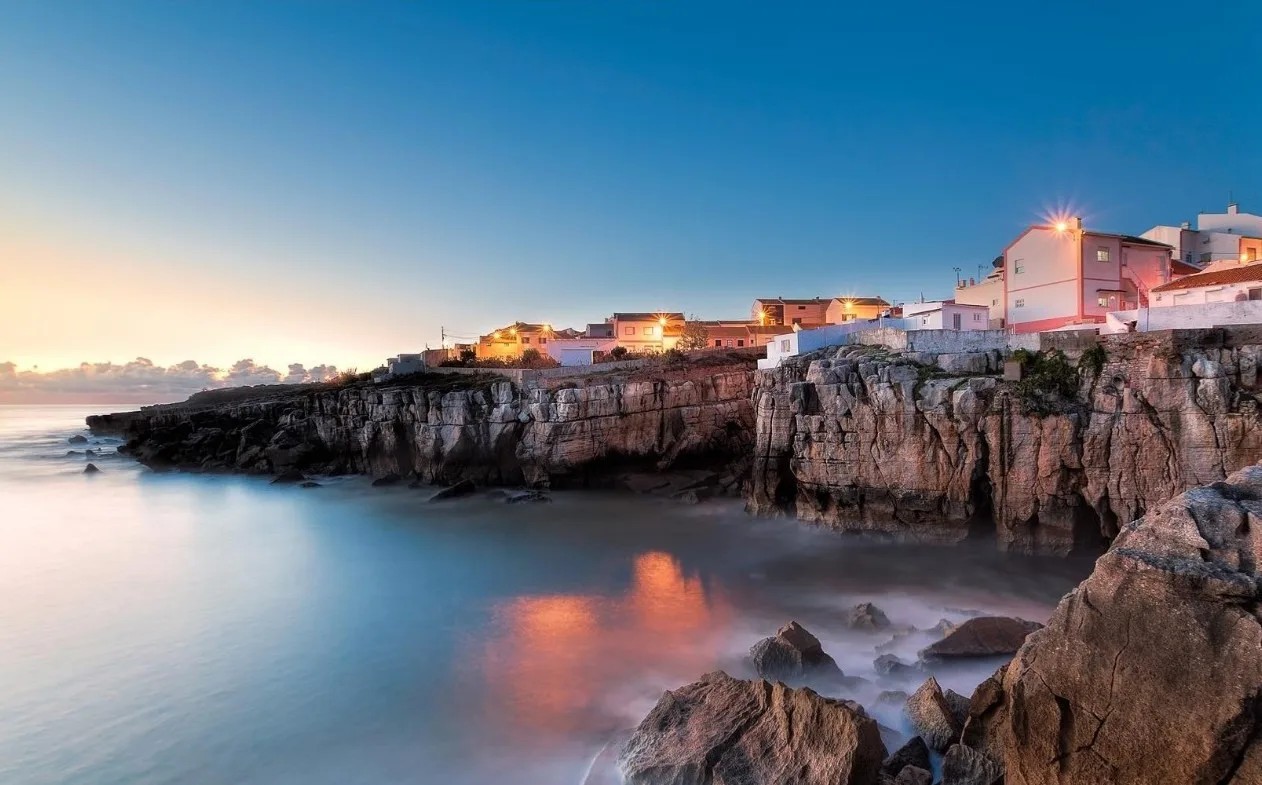 |
photo from Visit Center of Portugal
The MH Atlântico
The meeting will be hosted at the MH Atlântico Congress Centre, located near Praia da Consolação, approximately 6 km from the centre of Peniche.
The MH Atlântico is a modern four-star hotel and conference centre overlooking the coastal landscape. Its 115 rooms have private balconies, and its shared spaces are designed around the colours and natural elements of the sea and surrounding land. The hotel offers indoor and outdoor swimming pools, fitness and wellness facilities, a restaurant and bar, a nine-hole golf course, and direct access to the landscapes surrounding Praia da Consolação.
Conference rooms, accommodation, dining areas, poster spaces, and informal meeting areas are integrated within the same venue. This will allow participants to move easily between scientific sessions, meals, poster discussions, and informal conversations, creating additional opportunities for networking, mentoring, and spontaneous scientific exchange.
The beach and coastal paths surrounding the hotel also offer space to walk, pause, and continue conversations beyond the formal programme.
MH Atlântico
Av do Golfe (Praia da Consolação)
2525-150 Atouguia da Baleia, Peniche
Portugal
Telephone: +351 262 757 700
Open the venue location in Google Maps
Peniche: a town shaped by the sea
Peniche is a historic fishing town situated on a rocky peninsula extending into the Atlantic. The sea has long defined its economy, traditions, gastronomy, and identity, and Peniche remains one of Portugal’s major traditional fishing ports.
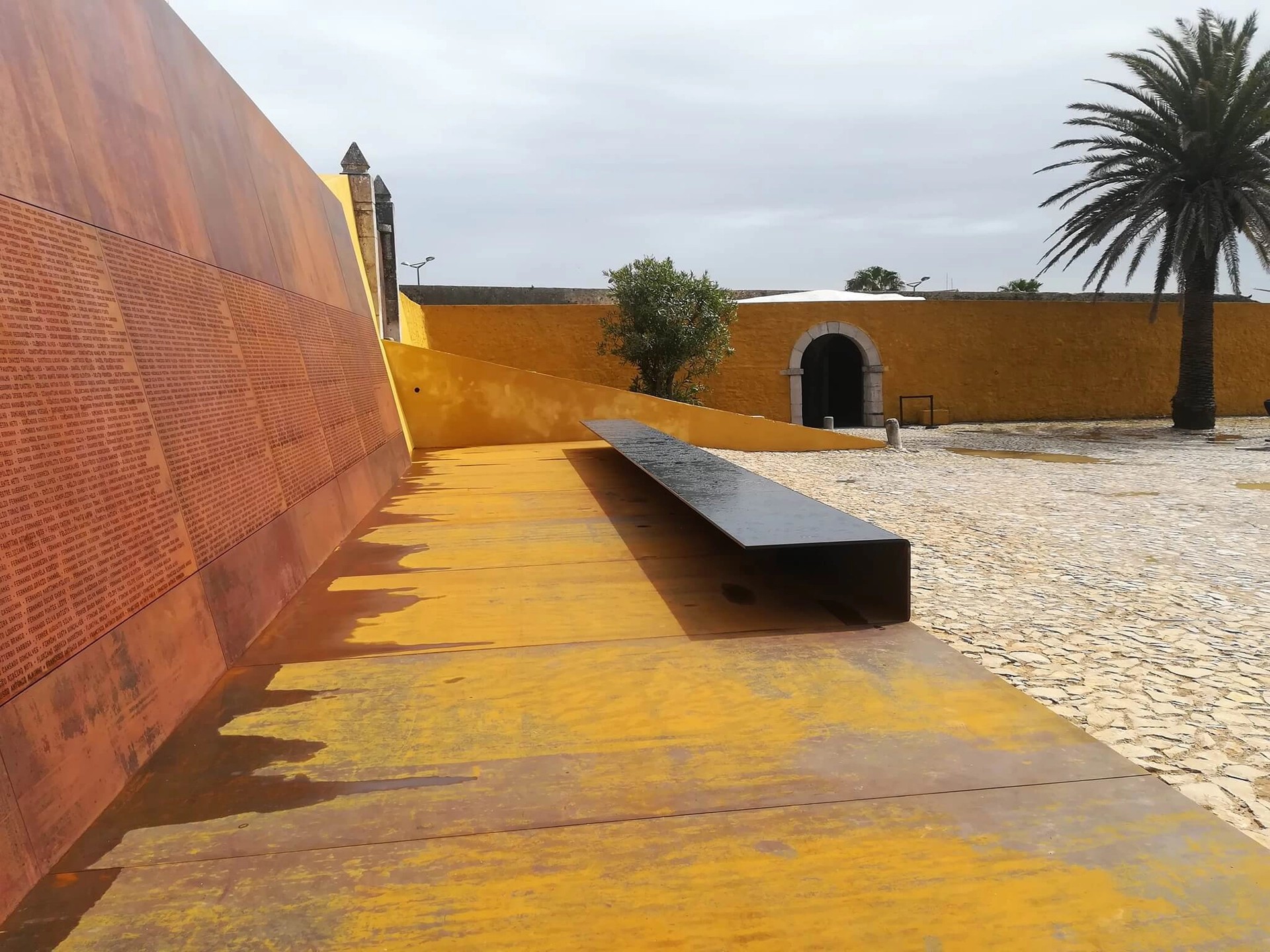
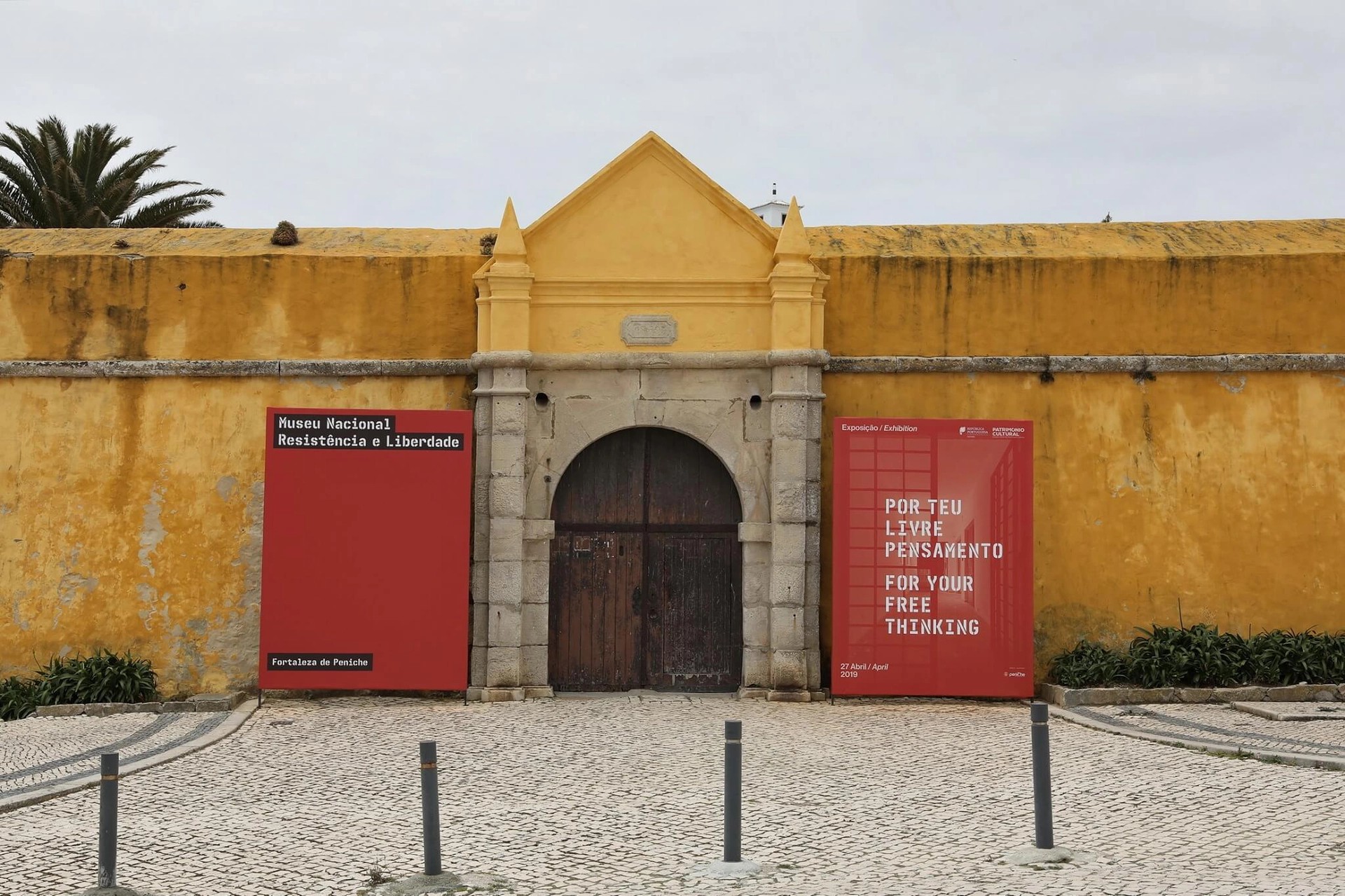
The historic centre reflects this close relationship with the ocean. Among its principal landmarks is the Fortress of Peniche, built as part of a coastal defensive system that also included the fort at Consolação and the Fort of São João Baptista in the Berlengas. During the Estado Novo dictatorship, the fortress was used as a high-security political prison and became an important symbol of resistance and the struggle for democracy. It is now home to the National Museum of Resistance and Freedom.
Other points of interest include the churches of São Pedro and Misericórdia, the Sanctuary of Nossa Senhora dos Remédios, the harbour, and the narrow streets of the old town. Peniche is also one of Portugal’s most important centres for bobbin lace, a centuries-old craft traditionally practised by local women while fishermen were at sea.
The town’s gastronomy is naturally dominated by the Atlantic. Fresh fish, grilled sardines, seafood rice, lobster soup, and caldeirada—a traditional Portuguese fish stew—are among the regional specialities. Local pastries include the almond-based Amigos de Peniche and the biscuits known as Esses.
 |
 |
photos from Visit Center of Portugal
An Atlantic coastline
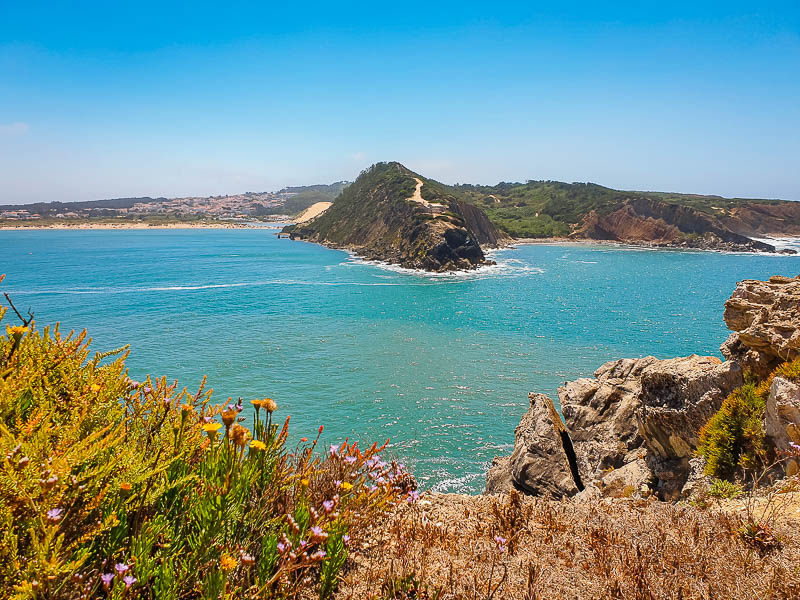
Peniche is surrounded by beaches, cliffs, rocky formations, and wide views across the ocean. Close to the conference venue, Praia da Consolação offers a long stretch of sand bordered by the historic Fort of Consolação.
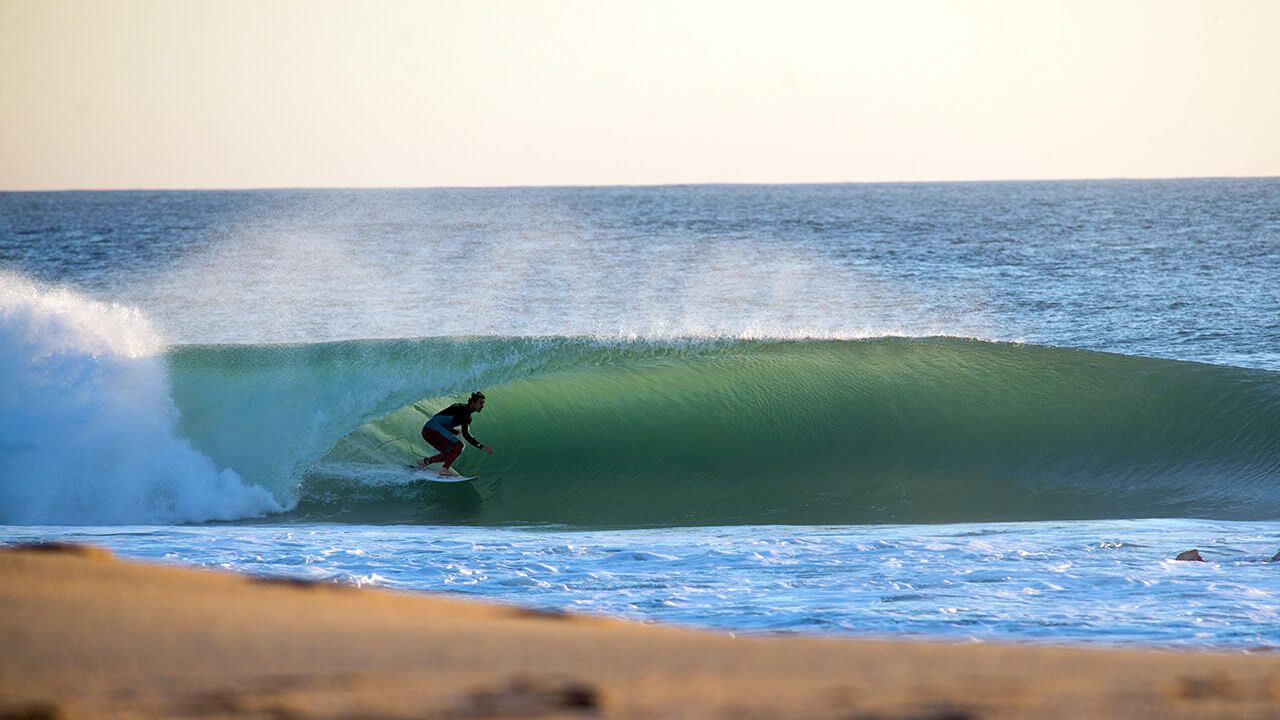
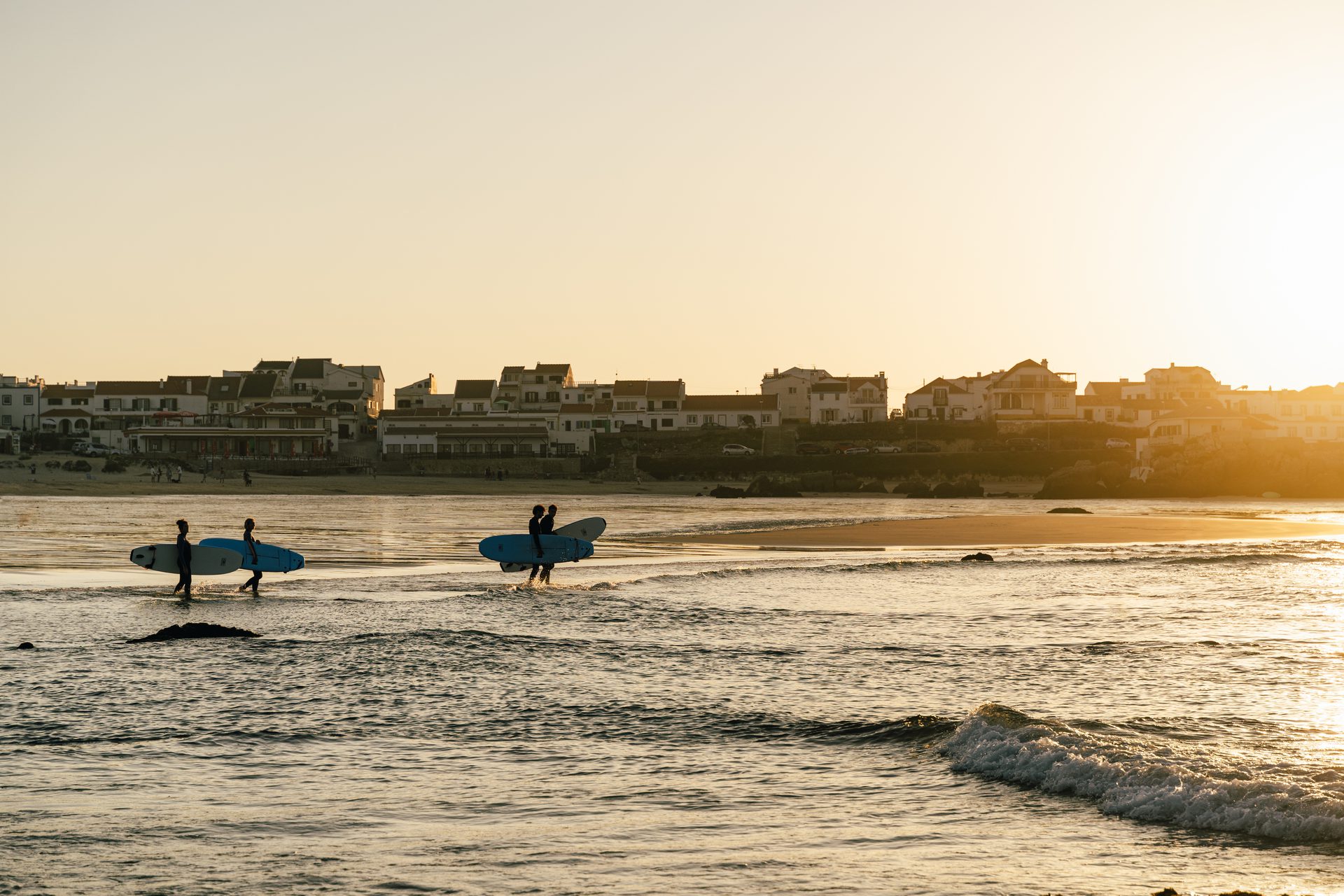
A short distance away, Supertubos is internationally known for its powerful tubular waves and regularly hosts a stage of the World Surf League. On the northern side of the peninsula, Baleal extends along a narrow strip of land between two bays. Its sheltered beaches, coastal paths, cafés, and surf schools make it one of the region’s most characteristic seaside locations.
 |
 |
photos from Visit Center of Portugal
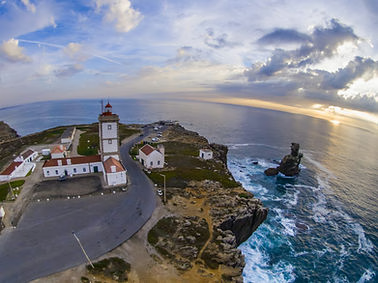
At the western edge of the peninsula, Cabo Carvoeiro offers some of the most dramatic views of the Peniche coastline. The Atlantic has sculpted the surrounding limestone into unusual rock formations, including the Nau dos Corvos, while the Berlengas Islands can be seen on the horizon.
Whether explored on foot, from the beach, or from one of the coastal viewpoints, this varied landscape reveals the close relationship between Peniche and the Atlantic.
 |
 |
photos from Visit Center of Portugal
The Berlengas Archipelago
Approximately 10 km off the coast of Peniche lies the Berlengas Archipelago, a protected nature reserve and part of UNESCO’s World Network of Biosphere Reserves.
The archipelago comprises three groups of islands and islets—Berlenga, Estelas, and Farilhões—surrounded by a rich marine ecosystem. Its cliffs and rocky slopes provide important nesting and resting sites for seabirds, while its clear waters support diverse marine life.
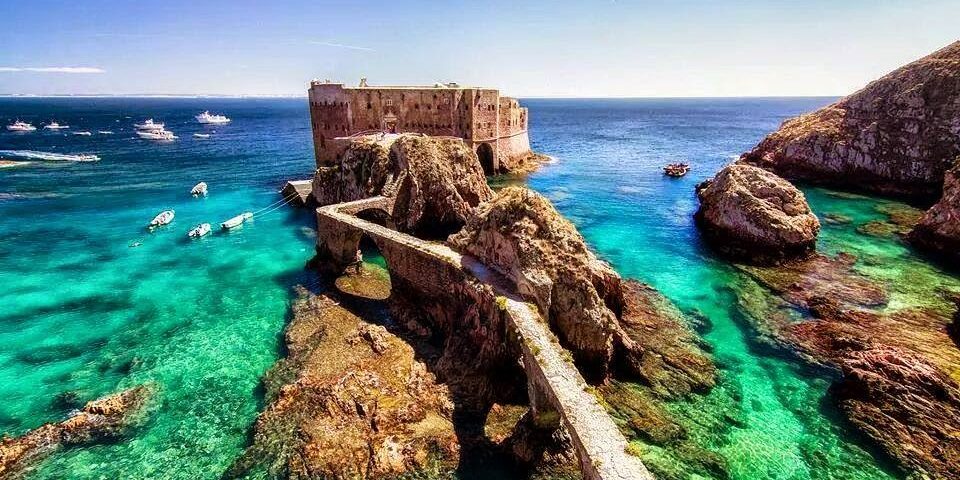
Berlenga Grande, the largest island, can be reached by boat from Peniche. Walking routes lead across the island to viewpoints, small beaches, caves, the lighthouse, and the seventeenth-century Fort of São João Baptista, built on a rocky outcrop and connected to the island by a narrow stone bridge.
Boat services operate seasonally and are dependent on sea conditions. As access to the reserve is regulated to protect its ecosystems, advance booking is recommended.
photos from Visit Portugal
Exploring the surrounding region
Peniche is located within Portugal’s Oeste region, an area combining Atlantic landscapes, medieval towns, traditional agriculture, ceramics, and some of the country’s most important historic monuments.
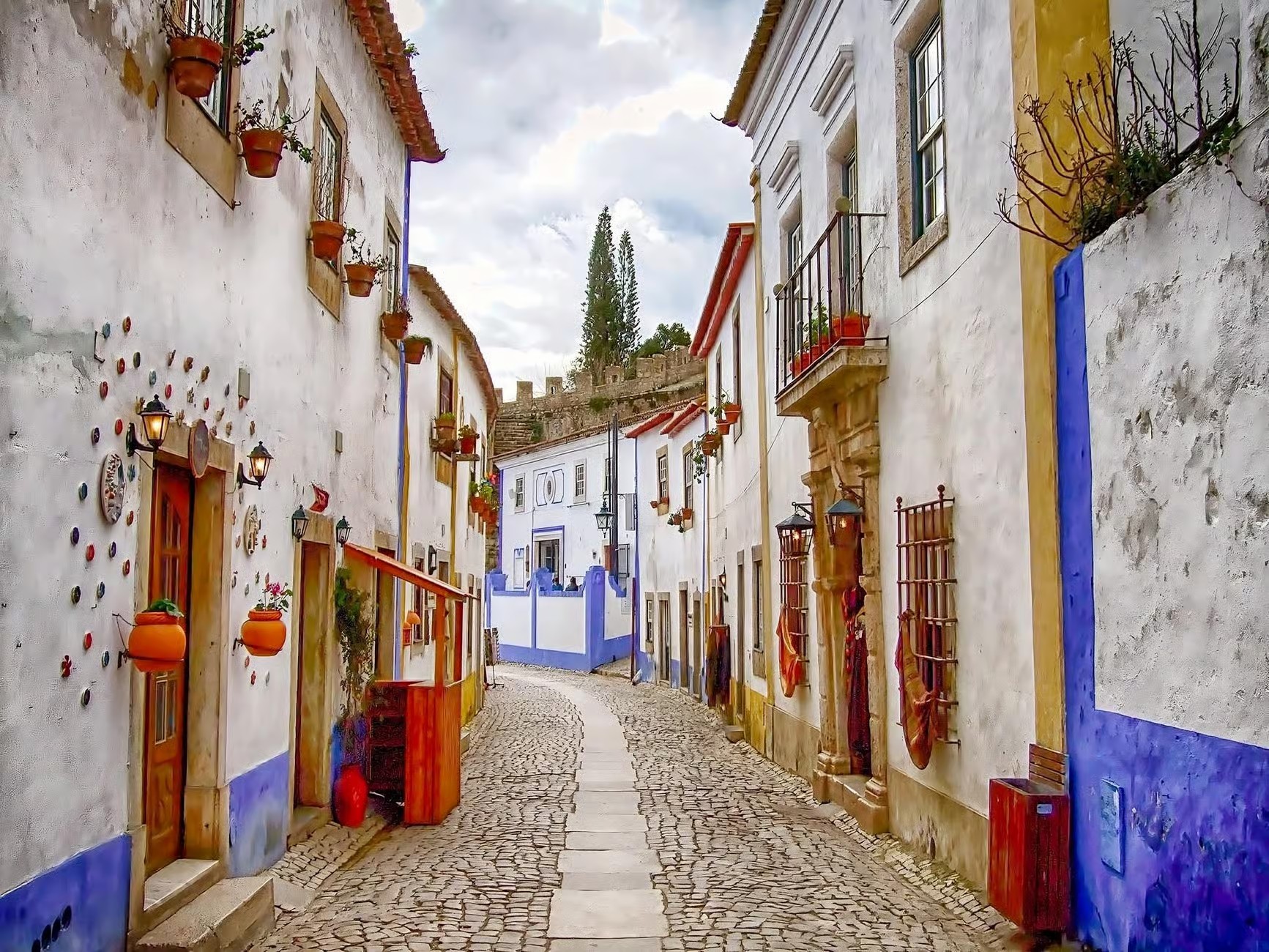
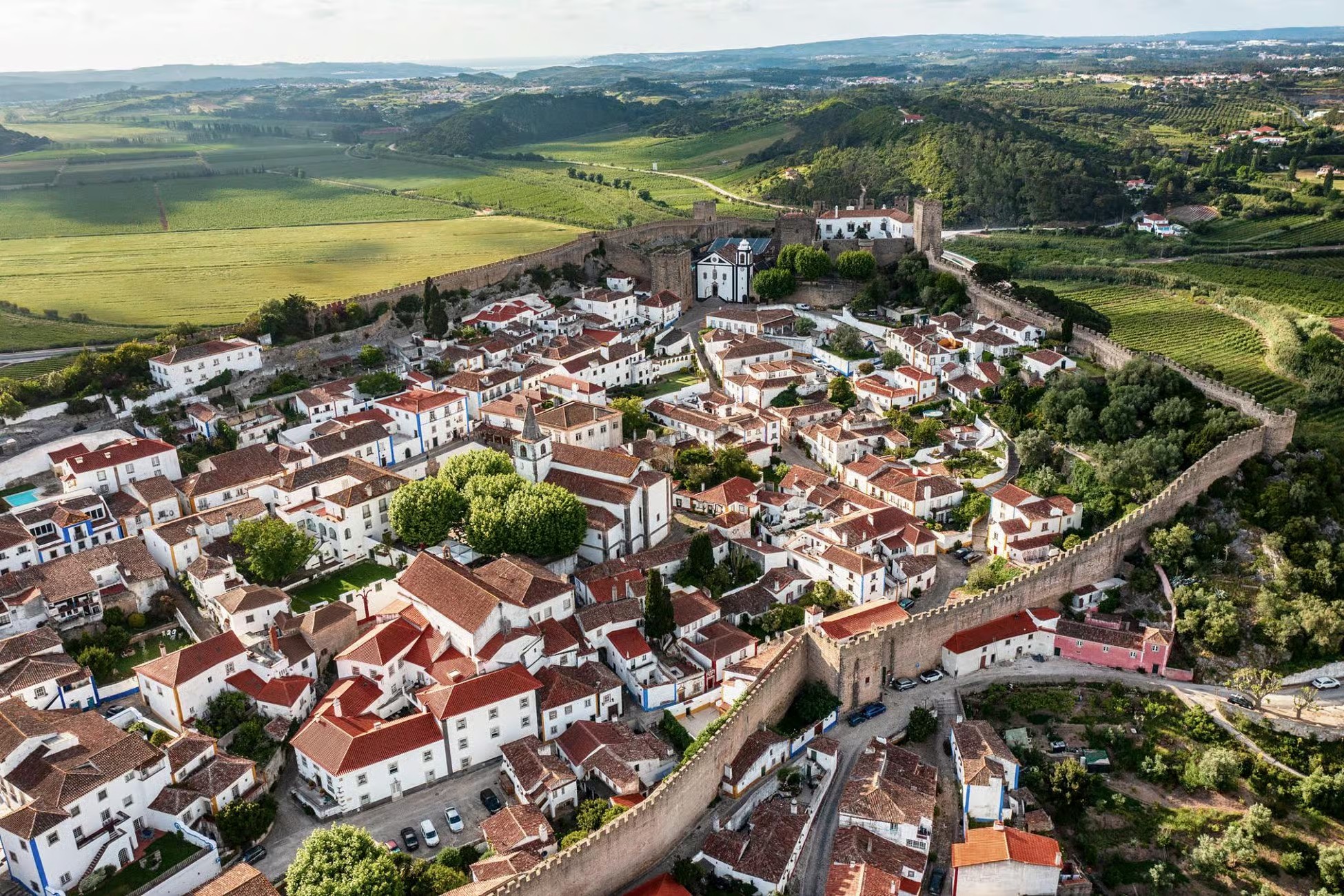
Around 30 minutes from Peniche, Óbidos is one of Portugal’s best-preserved medieval towns. Enclosed by fortified walls and crowned by a castle, it is known for its whitewashed houses, narrow streets, churches, bookshops, and traditional ginjinha cherry liqueur. Óbidos has been part of the UNESCO Creative Cities Network as a City of Literature since 2015.
 |
 |
photos from Get Your Guide
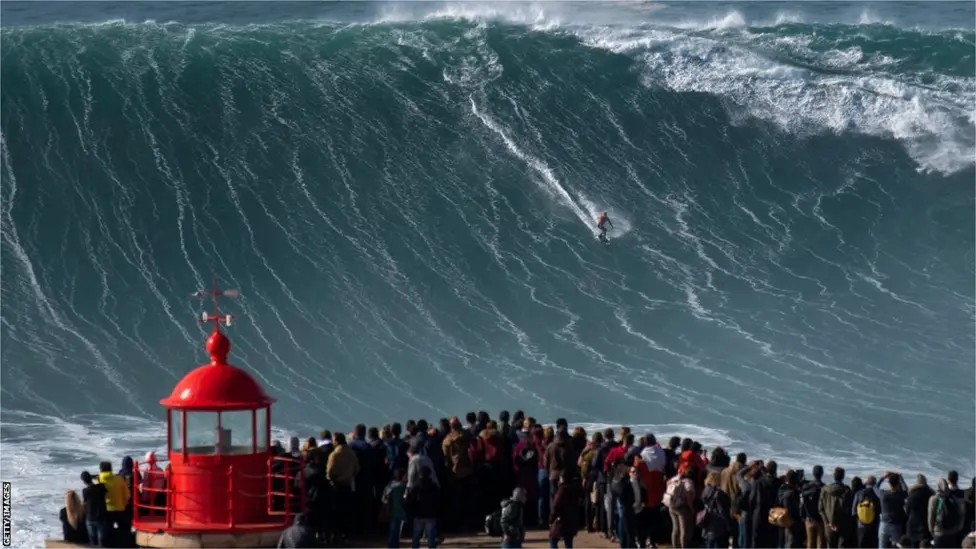
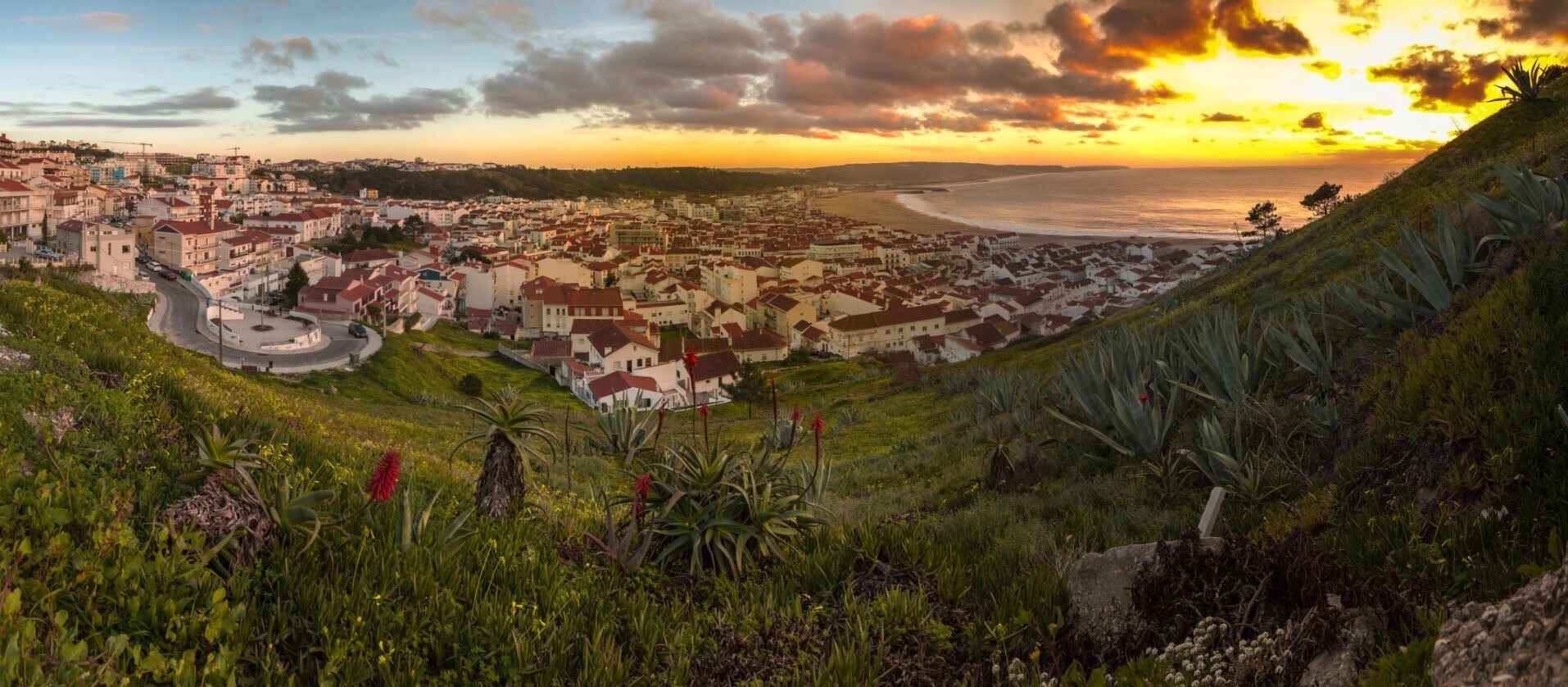
Further north, Nazaré combines a long fishing tradition with a dramatic Atlantic setting. Its upper district, Sítio, overlooks the town and coastline, while nearby Praia do Norte is internationally known for the giant waves created by the Nazaré Canyon.
 |
 |
photos from Visit Center of Portugal
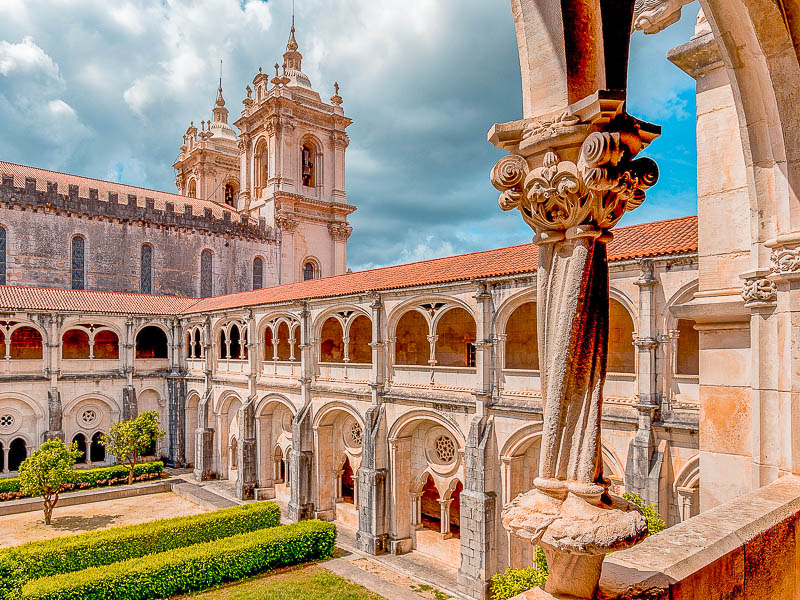
Also within reach is Alcobaça, home to the twelfth-century Monastery of Santa Maria de Alcobaça. The monastery is one of the most important examples of Cistercian architecture in Europe and is classified as a UNESCO World Heritage Site.
 |
 |
photos from VagaMundos
Together, the hotel, Peniche, the Berlengas, and the wider Oeste region offer a combination of ocean, nature, history, and culture that will form an integral part of the 2027 meeting experience.
FEBS has twin commitments to high-quality publications and the promotion of molecular biosciences. As a charitable academic organization,
FEBS uses income from the journals to fund its diverse activities, including support for FEBS Advanced Courses.




A charitable organization advancing research in the
molecular life sciences across Europe and beyond.